
تأكد من قراءة شروط وأحكام كازينو تشومبا لهذا العرض وأي عروض أخرى قد تهمك. تتيح لك مكافآت عدم الإيداع الاستفادة من عروض الكازينو، مثل الدورات المجانية أو الرصيد للعب، دون الحاجة إلى إيداع أي أموال أو شراء أي رموز. Continue lendo “مكافآت التسجيل والترحيب لعام 2026 هي من بين أفضل مكافآت الكازينوهات على الإنترنت.”
أفضل الكازينوهات على الإنترنت في كندا لعام 2026 من حيث أعلى نسبة عائد للاعب
تتميز معظم ماكينات القمار بنسب عائد للاعب (RTP) أعلى من المعدل القياسي في هذا المجال، والذي يبلغ 96%، مثل لعبة Fruit Train Express التي تصل نسبتها إلى 97%. تبدأ إيداعات العملات الرقمية من 10 دولارات، وتُعالج معظم عمليات السحب في غضون ساعات قليلة، مما يجعلها من أسرع الكازينوهات الإلكترونية في مجال السحب. يمكن للاعبين الجدد الحصول على 300 دورة مجانية عند الإيداع بأي من العملات الرقمية الـ 15 المقبولة. يتطلب كلا خياري المكافآت شرط رهان 35 ضعفًا، وهو ما يتوافق مع المعيار القياسي في هذا المجال. Continue lendo “أفضل الكازينوهات على الإنترنت في كندا لعام 2026 من حيث أعلى نسبة عائد للاعب”
Wikipedia im Internet
Teilweise schildern diese Begriffe Aktivitäten, die vor den Neuen Medien bereits „offline“ vorhanden waren (wie etwa „analoge“ Umfragen, Veranstaltungen). Die Medientheorie versteht hierunter einen Arbeitsmodus in Datennetzwerken (die aus mehreren), untereinander verbundenen Computern bestehen, welche Zugriff auf das Intranet oder Internet haben. Bitte beachten Sie (dass diese Verlaufskurven nicht redaktionell), sondern automatisch erstellt sind und Fehler enthalten können. Continue lendo “Wikipedia im Internet”
RealzCasino – Odkryj najlepsze gry kasynowe online

Witamy w świecie realzcasino, gdzie emocje i przygody łączą się w jedną, niezapomnianą całość. Jeśli szukasz miejsca, w którym możesz doświadczyć najlepszych gier kasynowych online, to trafiłeś we właściwe miejsce. W tej artykule przyjrzymy się, co oferuje RealzCasino, jak grać w dostępne gry oraz jakie strategie mogą pomóc Ci zwiększyć swoje szanse na wygraną.
Co to jest RealzCasino?
RealzCasino to platforma internetowa, która dostarcza graczom szeroki wybór gier kasynowych. Od klasycznych jednorękich bandytów po nowoczesne sloty z zaawansowaną grafiką, RealzCasino ma coś dla każdego. Oprócz gier slotowych, znaleźć tutaj można również stoły do pokera, ruletki, blackjacka i inne popularne gry kasynowe. Platforma zapewnia bezpieczne i komfortowe środowisko do gry, umożliwiając jednocześnie korzystanie z atrakcyjnych bonusów i promocji.
Typy gier dostępnych na RealzCasino
RealzCasino oferuje szeroką gamę gier, które można podzielić na kilka głównych kategorii:
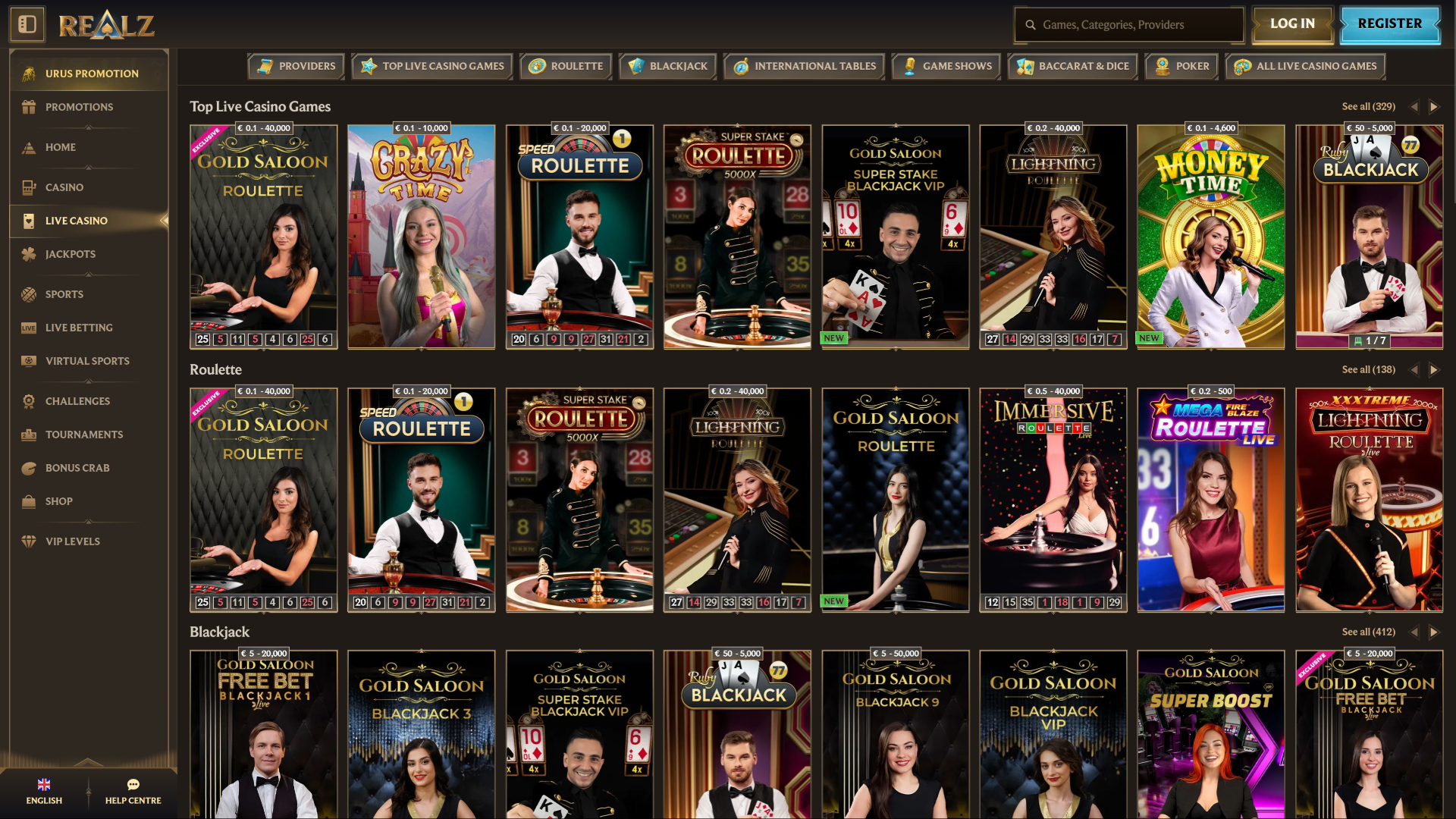
- Automaty do gry: Klasyczne jednorękie bandyty oraz nowoczesne sloty z różnymi tematami i funkcjami bonusowymi. Gry te są popularne ze względu na swoją prostotę i możliwość osiągnięcia dużych wygranych.
- Gry stołowe: Ruletka, blackjack, poker i baccarat to tylko niektóre z gier, które wymagają nieco więcej strategii. Te typy gier oferują większe wyzwanie, a także możliwość interakcji z krupierem i innymi graczami.
- Na żywo: Gry na żywo stały się coraz bardziej popularne, ponieważ umożliwiają graczom doświadczenie atmosfery prawdziwego kasyna z własnego domu. Za pomocą kamer internetowych gracze mogą łączyć się z prawdziwymi krupierami i uczestniczyć w grach w czasie rzeczywistym.
- Gry mobilne: Dzięki rozwijającej się technologii, RealzCasino oferuje również dostęp do gier na urządzenia mobilne, co pozwala na grę w dowolnym miejscu i czasie.
Strategie gry
Chociaż gry kasynowe w dużej mierze opierają się na szczęściu, istnieją strategie, które mogą zwiększyć Twoje szanse na wygraną:

- Zrozumienie gier: Przed rozpoczęciem gry warto zapoznać się z zasadami, strategią i rachunkiem wypłat. Wiedza na temat gier pomoże Ci podejmować lepsze decyzje.
- Zarządzanie budżetem: Ustal, ile jesteś gotów wydać na grę i trzymaj się tego budżetu. Unikaj impulsywnych decyzji i stawiaj tylko tyle, ile możesz stracić.
- Wykorzystanie bonusów: RealzCasino często oferuje różne promocje i bonusy, które mogą zwiększyć Twój bankroll. Upewnij się, że korzystasz z tych ofert, aby maksymalizować swoje możliwości wygranej.
- Graj odpowiedzialnie: Najważniejsze jest, aby pamiętać, że gry kasynowe powinny być formą rozrywki, a nie sposobem na zarobek. Graj w sposób odpowiedzialny i nie przekraczaj swoich możliwości finansowych.
Bonusy i promocje w RealzCasino
RealzCasino jest znane z tego, że oferuje różnorodne bonusy, które przyciągają graczy. Poniżej przedstawiamy kilka najpopularniejszych typów bonusów:
- Bonus powitalny: Nowi gracze mogą liczyć na atrakcyjny bonus powitalny, który zazwyczaj obejmuje dodatkowe środki na grę oraz darmowe spiny w automatach.
- Bonusy depozytowe: Gracze, którzy dokonują wpłat, mogą skorzystać z różnych bonusów, które wzmacniają ich saldo gry.
- Darmowe spiny: Są to dodatkowe szanse na grę w automatach bez konieczności stawiania własnych pieniędzy, co daje możliwość zwiększenia wygranej bez ryzyka.
- Program lojalnościowy: Regularni gracze mogą przystąpić do programów lojalnościowych, które nagradzają ich za częstą grę, oferując różne korzyści, takie jak ekskluzywne bonusy czy zaproszenia na wydarzenia specjalne.
Bezpieczeństwo i zasady odpowiedzialnej gry
Bezpieczeństwo graczy jest kluczowe w RealzCasino. Platforma stosuje najnowsze technologie szyfrowania, aby chronić dane osobowe i finansowe swoich użytkowników. Ponadto, RealzCasino promuje zasady odpowiedzialnej gry, oferując różne narzędzia, które pomagają graczom kontrolować czas spędzony na grze oraz limity wydatków.
Podsumowanie
RealzCasino to niezwykle interesująca platforma dla miłośników gier kasynowych. Dzięki różnorodności gier, atrakcyjnym bonusom oraz strategiom, które można wdrożyć, każdy gracz znajdzie coś dla siebie. Pamiętaj jednak, aby grać odpowiedzialnie i cieszyć się każdą chwilą spędzoną na tej ekscytującej platformie.
Νέα Online Casino Ανακαλύψτε την Επόμενη Γενιά Ψυχαγωγίας

Νέα Online Casino: Φέρνοντας την Ενθουσιώδη Ψυχαγωγία Στον Υπολογιστή Σας
Με την αυξανόμενη δημοτικότητα των νεα online casino, οι παίκτες έχουν πλέον περισσότερες επιλογές από ποτέ για να απολαύσουν τα αγαπημένα τους παιχνίδια από την άνεση των σπιτιών τους. Από κουλοχέρηδες μέχρι επιτραπέζια παιχνίδια, η διαδικτυακή ψυχαγωγία συνεχίζει να εξελίσσεται με νέες δυνατότητες και καινοτομίες που είναι ιδανικές για κάθε τύπο παίκτη.
Η Άνοδος των Νέων Online Casino
Τα τελευταία χρόνια, το online gambling έχει γνωρίσει μια εκρηκτική ανάπτυξη. Αυτό οφείλεται κυρίως στην ευκολία που προσφέρουν τα online casino, επιτρέποντας στους παίκτες να έχουν πρόσβαση σε παιχνίδια 24 ώρες το 24ωρο, από οπουδήποτε. Η τεχνολογία streaming έχει επίσης βελτιώσει την εμπειρία των παικτών με live dealer games που προσφέρουν την αίσθηση ενός φυσικού καζίνο.
Νέες Τάσεις και Καινοτομίες
Καθώς τα νέα online casino εισέρχονται στην αγορά, οι τάσεις είναι συνεχώς σε εξέλιξη. Από την εικονική πραγματικότητα (VR) στα παιχνίδια μέχρι τα blockchain και τα κρυπτονομίσματα, οι νέες αυτές τεχνολογίες έχουν την ικανότητα να αλλάξουν ριζικά τον τρόπο που παίζουμε. Το VR, για παράδειγμα, προσφέρει μια πραγματικά καθηλωτική εμπειρία, ενώ τα κρυπτονομίσματα προσφέρουν ασφάλεια και ανωνυμία στους παίκτες.

Προτάσεις για Αρχάριους
Αν είστε νέοι στον κόσμο των online casino, υπάρχουν μερικές πρακτικές συμβουλές που μπορείτε να ακολουθήσετε:
- Επιλέξτε αξιόπιστα καζίνο: Η ασφάλεια πρέπει να είναι η κύρια προτεραιότητά σας. Βεβαιωθείτε ότι το καζίνο διαθέτει άδειες και θετικές κριτικές.
- Δοκιμάστε τα δωρεάν παιχνίδια: Πολλά online casino προσφέρουν δωρεάν εκδόσεις παιχνιδιών. Αυτές είναι καλές για να εξοικειωθείτε με τους κανόνες χωρίς να ρισκάρετε χρήματα.
- Ενημερωθείτε για τις προσφορές: Τα νέα online casino συχνά προσφέρουν γενναιόδωρες προσφορές και μπόνους καλωσορίσματος. Βεβαιωθείτε ότι γνωρίζετε τους όρους και τις προϋποθέσεις αυτών των προσφορών.
Η Σημασία της Υπευθυνότητας στον Τζόγο
Η υπευθυνότητα στον τζόγο είναι κάτι που πρέπει πάντα να έχετε κατά νου. Είναι σημαντικό να ορίσετε όρια στον χρόνο και στα χρήματα που ξοδεύετε, για να είστε σίγουροι ότι ο τζόγος παραμένει ψυχαγωγία και δεν γίνεται πρόβλημα. Πολλά online casino προσφέρουν εργαλεία για να βοηθήσουν τους παίκτες να παρακολουθούν τη δραστηριότητά τους και να αναγνωρίζουν τα σημάδια του προβληματικού τζόγου.
Το Μέλλον των Online Casino
Το μέλλον των online casino φαίνεται λαμπρό. Με την συνεχώς εξελισσόμενη τεχνολογία και τις καινοτόμες στρατηγικές μάρκετινγκ, τα διαδικτυακά καζίνα αναμένεται να προσελκύσουν ακόμα περισσότερους παίκτες. Οι εταιρείες αυτές επενδύουν σε νέες τεχνολογίες για να προσφέρουν την καλύτερη δυνατή εμπειρία χρήστη, με στόχο να μετατρέψουν κάθε επίσκεψη σε ένα αξέχαστο γεγονός.
Συμπέρασμα
Τα νέα online casino συνεχίζουν να κερδίζουν έδαφος στη βιομηχανία της ψυχαγωγίας, προσφέροντας μια πληθώρα επιλογών και καινοτομιών στους παίκτες. Είτε είστε έμπειρος παίκτης είτε μόλις ξεκινάτε το ταξίδι σας στον κόσμο του διαδικτυακού τζόγου, υπάρχουν αμέτρητες ευκαιρίες να εξερευνήσετε και να απολαύσετε. Να θυμάστε πάντα να παίζετε υπεύθυνα και να εντοπίζετε τους χώρους που σας παρέχουν ασφάλεια και ποιότητα.
Welche Betreuungsformen stehen für mein Kind zur Auswahl?
Optimale Kinderbetreuungsangebote für jedes Alter und jede Betreuungsform

Wer sucht nicht nach einem Betreuungsplatz, der wirklich zu den eigenen Bedürfnissen passt? Kinderbetreuungsangebote zeigen dir die Vielfalt an Optionen, von der Tagesmutter bis zur Kita, und helfen dir, das passende Angebot für dein Kind zu finden. Du kannst online nach freien Plätzen suchen, Betreuungsmodelle vergleichen und direkt Kontakt aufnehmen. So wird die Suche nach der idealen Betreuung zum Kinderspiel.

Welche Betreuungsformen stehen für mein Kind zur Auswahl?
Für Ihr Kind stehen in den Kinderbetreuungsangeboten mehrere Betreuungsformen zur Auswahl. Neben der klassischen Krippe (1–3 Jahre) und dem Kindergarten (3–6 Jahre) gibt es meist die Tagespflege bei einer Tagesmutter, die flexiblere Zeiten oft bis in den Nachmittag bietet. Auch die Kindertagesstätte kombiniert Bildung mit fester Öffnungszeit. Eine Alternative ist die Elterninitiative oder eine Waldgruppe, wo Betreuung mit pädagogischen Schwerpunkten draußen oder in kleineren Gruppen stattfindet.
Die Entscheidung hängt vor allem von Betreuungszeit, pädagogischer Ausrichtung und Nähe zum Wohnort ab.
Prüfen Sie vor Ort, welche Träger diese Formen konkret anbieten.
Unterschiede zwischen Krippe, Kita und Tagespflege verstehen
Um die Unterschiede zwischen Krippe, Kita und Tagespflege zu verstehen, hilft ein Blick auf Alter und Gruppengröße. Die Krippe betreut Babys und Kleinkinder bis drei Jahre in festen, kleinen Gruppen mit hohem Personalschlüssel. Die Kita hingegen vereint oft Kinder von null bis sechs Jahren, gemischt in altershomogenen Gruppen, bietet aber auch Krippenbereiche. Die Tagespflege ist flexibler: Eine Tagesmutter oder ein Tagesvater kümmert sich zu Hause oder in eigenen Räumen um maximal fünf Kinder gleichzeitig – ideal für individuelle Eingewöhnung und feste Bezugspersonen.
Kurz gesagt: Krippe = Kleinkind-Gruppe in der Kita, Kita = große Einrichtung mit mehreren Gruppen, Tagespflege = kleine, flexible Betreuung bei einer festen Person.
Vor- und Nachteile von Ganztags- versus Halbtagsangeboten
Ein Halbtagsangebot gibt Ihrem Kind nach dem Mittagessen Raum für freies Spiel oder Familie, was für ruhigere Kinder entlastend wirkt. Der größte Vorteil von Ganztagsangeboten liegt jedoch in der verlässlichen Betreuung über den ganzen Tag, was Berufstätigen enorm hilft. Nachteilig am Ganztag kann die längere Reizbelastung sein, während Halbtagskinder öfter auf wechselnde private Lösungen angewiesen sind. Soziale Kontakte vertiefen sich im Ganztag meist besser, dafür haben Halbtagskinder mehr unverplante Zeit für Hobbys oder Ausruhen. Die Wahl hängt stark vom eigenen Familienrhythmus ab.
Welche pädagogischen Schwerpunkte gibt es bei den Betreuungsmöglichkeiten?
Die pädagogischen Schwerpunkte der Betreuungsmöglichkeiten variieren gezielt nach Einrichtungstyp. Waldkindergärten legen den Fokus auf Naturerfahrung und Bewegung, während Montessori-Einrichtungen die selbstbestimmte Entwicklung des Kindes fördern. Bewegungsorientierte Kitas integrieren tägliche psychomotorische Übungen, und bilinguale Krippen setzen auf immersive Sprachförderung. Bei integrationspädagogischen Betreuungsformen stehen soziale Inklusion und alltagsintegrierte Förderung im Vordergrund. Die Wahl des richtigen Schwerpunktes erfolgt idealerweise schrittweise:
- Beobachtung der Interessen Ihres Kindes
- Vergleich der Einrichtungskonzepte vor Ort
- Teilnahme an einem pädagogischen Schnuppertag
So stellen Sie sicher, dass der gewählte Schwerpunkt die individuellen Bedürfnisse Ihres Kindes optimal unterstützt.
Wie finde ich das passende Angebot für mein Kind?
Um das passende Kinderbetreuungsangebot für Ihr Kind zu finden, sollten Sie zuerst dessen individuelle Bedürfnisse und Ihren Alltag analysieren. Fragen Sie sich: Braucht Ihr Kind viel Ruhe oder eher Anregung in einer Gruppe? Suchen Sie eine flexible Randzeitenbetreuung oder eine Ganztagsbetreuung mit festen pädagogischen Schwerpunkten? Vergleichen Sie dann konkrete Betreuungsangebote vor Ort: Besuchen Sie Einrichtungen, um das Ambiente zu spüren und mit Erziehern zu sprechen. Achten Sie auf das Betreuungsverhältnis und ob die angebotenen Aktivitäten zu den Interessen Ihres Kindes passen. Nur durch diesen persönlichen Abgleich von Kita-, Tagespflege- oder Hortangeboten mit Ihren Prioritäten finden Sie die beste Lösung.
Kriterien zur Bewertung der Einrichtungen und Tagespflegestellen
Bei der Bewertung von Einrichtungen und Tagespflegestellen sollten Sie auf die pädagogische Qualität und Betreuungsrelation achten. Prüfen Sie die Gruppengröße und ob die Fachkraft-Kind-Schlüssel den Bedürfnissen Ihres Kindes entsprechen. Entscheidend sind zudem die Sauberkeit der Räume, die Vielfalt an Spiel- und Lernmaterialien sowie die Gestaltung des Außengeländes. Beobachten Sie den Umgang der Erzieher mit den Kindern: Werden Konflikte respektvoll gelöst? Gibt es Rituale oder feste Tagesstrukturen? Ein offenes Gespräch über das Eingewöhnungskonzept und die Essensversorgung rundet Ihre Bewertung ab.
Worauf sollte ich bei einem persönlichen Besichtigungstermin achten?
Bei der persönlichen Besichtigung sollten Sie genau auf die Interaktion der Erzieher mit den Kindern achten. Wirkt diese liebevoll und aufmerksam? Prüfen Sie die räumliche Sauberkeit und Sicherheit sowie das Spielzeug-Angebot auf Abwechslung. Fragen Sie gezielt nach dem Tagesablauf, um Struktur zu erkennen. Beobachten Sie die Kinder: Sind sie entspannt und fröhlich? Notieren Sie, ob Ihr Kind in der Umgebung neugierig wirkt. Vermeiden Sie es, nur auf die schöne Einrichtung zu starren; der persönliche Eindruck von Atmosphäre und Betreuung ist entscheidend.
Frage: Worauf sollte ich bei einem persönlichen Besichtigungstermin achten?
Antwort: Fokussieren Sie sich auf das Betreuungsverhältnis – wie gehen die Erzieher auf die Kinder ein? – und auf die Reaktion Ihres Kindes vor Ort.

Wie beurteile ich die Betreuungsqualität und das Betreuungsverhältnis?
Um die Betreuungsqualität und das Betreuungsverhältnis zu beurteilen, achten Sie auf direkte Beobachtung: Wie viele Kinder pro Fachkraft sind in der Gruppe? Ein niedriger Schlüssel ist entscheidend für individuelle Zuwendung. Fragen Sie nach der Fluktuation der Erzieher, denn ein stabiles Team schafft Bindung. Achten Sie auf die emotionale Reaktionsfähigkeit der Betreuungsperson: Wird auf die Signale Ihres Kindes eingegangen oder herrscht ein distanzierter, routinierter Umgang? Probehaltetermine helfen ungemein, die Dynamik zwischen Kind und Betreuer zu spüren. Vertrauen Sie auf Ihr Bauchgefühl: Wirkt die Beziehung warmherzig oder angespannt?

- Prüfen Sie die Interaktion: Werden Kinder aktiv einbezogen oder nur beaufsichtigt?
- Erkundigen Sie sich nach der Eingewöhnungsphase: Wie viel Zeit nimmt sich die Fachkraft für Ihr Kind?
- Beobachten Sie, ob Rituale und individuelle Bedürfnisse im Alltag sichtbar umgesetzt werden.
Welche Kosten kommen auf mich zu und welche Fördermöglichkeiten gibt es?
Die Kosten für Kinderbetreuungsangebote variieren stark: Für eine Kita kann der Elternbeitrag je nach Kommune und Einkommen zwischen 0 und über 400 Euro im Monat liegen. Tagesmütter berechnen oft 5 bis 10 Euro pro Stunde. Entscheidend ist: Viele Städte bieten einkommensabhängige Tarife oder Geschwisterermäßigungen.
Die größte Förderung ist das beitragsfreie Kitajahr, das in vielen Bundesländern das letzte Jahr vor der Einschulung komplett übernimmt.
Zusätzlich helfen das “Bildung und Teilhabe”-Paket mit bis zu 156 Euro monatlich für Betreuungskosten sowie der Landeserziehungsgeld-Zuschuss für Eltern in Ausbildung. Alle Informationen erhalten Sie beim örtlichen Jugendamt oder den Kita-Verwaltungen.
Wie setzt sich der Elternbeitrag zusammen und welche Leistungen sind inkludiert?
Der Elternbeitrag setzt sich meist aus einem einkommensabhängigen Grundbetrag für die Betreuungszeit sowie optionalen Zusätzen für Verpflegung, Ausflüge oder erweiterte Öffnungszeiten https://www.kita-bautzen.de/ zusammen. Inkludiert sind in der Regel die pädagogische Betreuung, alle Mahlzeiten (Frühstück, Mittagessen, Snacks) sowie Bastel- und Spielmaterialien. Welche Leistungen sind inkludiert variiert je nach Einrichtung, umfasst aber stets die Kernbetreuung ohne versteckte Kosten. Prüfen Sie vor Vertragsschluss die genaue Aufstellung:
- Einkommensnachweis für die Beitragsberechnung einreichen
- Betreuungsmodell (z.B. 5 oder 8 Stunden) wählen
- Optional Buchung von Zusatzleistungen wie Sprachförderung
- Abschluss eines Essensgeldvertrags
Voraussetzungen und Höhe von Zuschüssen wie dem Kita-Gutschein
Die Höhe des Kita-Gutscheins richtet sich nach Ihrem Einkommen, der Anzahl Ihrer Kinder und dem Betreuungsumfang. Voraussetzung ist ein Antrag beim zuständigen Jugendamt, wo Sie Ihre Einkommensnachweise und Angaben zur Familie einreichen. Der Gutschein deckt die Betreuungskosten in der Regel vollständig ab, jedoch nicht das Mittagessen oder besondere Aktivitäten. Beachten Sie, dass jeder Antrag individuell geprüft wird und die Höhe je nach Kommune stark variieren kann.
- Sie müssen erwerbstätig, in Ausbildung oder arbeitssuchend sein.
- Ein rechtzeitiger Antrag vor Betreuungsbeginn ist Pflicht.
- Der Zuschuss kann bei Veränderungen wie einer Gehaltserhöhung neu berechnet werden.
Tipps zur finanziellen Planung der Betreuungskosten
Erstellen Sie frühzeitig eine detaillierte Kostenaufstellung für die gewünschte Betreuungsform, inklusive Verpflegungs- und eventueller Zusatzkosten für Ausflüge. Vergleichen Sie die Gebührenordnungen mehrerer Einrichtungen, um die passende Option für Ihr Budget zu finden. Prüfen Sie zwingend Ihren Anspruch auf staatliche Zuschüsse wie das Kita-Geld oder den Geschwisterbonus, die die monatliche Belastung deutlich senken können. Ein Kostenbeitrag sollte nicht als einmalige Ausgabe, sondern als kalkulierbarer monatlicher Posten im Haushaltsplan verankert werden. Informieren Sie sich zudem über flexible Betreuungsmodelle, die eine Reduktion der Stunden und somit der Kosten ermöglichen.
Wie läuft die Anmeldung und Eingewöhnung ab?
Die Anmeldung beginnt meist mit einem persönlichen Gespräch, in dem Sie den Betreuungsplatz reservieren und erste Unterlagen einreichen. Anschließend folgt die Eingewöhnung, die oft nach dem Berliner Modell abläuft: In der ersten Woche begleitet ein Elternteil das Kind für ein bis zwei Stunden, bleibt aber im Hintergrund. So baut das Kind langsam Vertrauen zur Bezugserzieherin auf, während Sie als Eltern sanft loslassen. Manche Kinder brauchen jedoch mehrere Wochen, bis sie sich ohne Weinen von Ihnen trennen können. Ab der zweiten Woche verlängern Sie die Trennungsphasen schrittweise, bis Ihr Kind den gesamten Vormittag ohne Sie bleibt. Wichtig ist, dass Sie die Signale Ihres Kindes ernst nehmen und die Eingewöhnung nicht überstürzen. Die Erzieherin dokumentiert den Fortschritt täglich und bespricht mit Ihnen, wann der nächste Schritt sinnvoll ist.
Schritte zur erfolgreichen Anmeldung und Fristen beachten
Die Anmeldung beginnt mit der frühzeitigen Recherche zu Anmeldefristen, da viele Einrichtungen diese bereits ein Jahr im Voraus festlegen. Sammeln Sie alle erforderlichen Unterlagen wie Geburtsurkunde und Impfpass, um fristgerechte Anmeldungen zu gewährleisten. Reichen Sie das ausgefüllte Formular persönlich oder online ein und bestätigen Sie den Eingang. Vermerken Sie sich den Stichtag für Rückmeldungen, um Ihren Platz nicht zu verlieren. Erst nach schriftlicher Zusage ist der Anmeldeprozess erfolgreich abgeschlossen.
Anmeldefristen frühzeitig prüfen, Unterlagen vollständig einreichen und Rückmeldefristen strikt einhalten.
Eingewöhnungsmodelle: Von der Berliner Eingewöhnung bis zur sanften Transition

Die Wahl des Eingewöhnungsmodells bestimmt maßgeblich den Betreuungsstart. Das Berliner Modell setzt auf eine feste Bezugserzieherin, die nach einer kurzen, passiven Grundphase den Beziehungsaufbau begleitet; die Trennung erfolgt erst nach mehrtägiger Begleitung. Die sanfte Transition hingegen erlaubt den Eltern eine stundenweise, flexible Anwesenheit im Gruppenraum, bevor das Kind langsam allein bleibt. Beide Modelle zielen auf eine niedrige Reizschwelle ab, unterscheiden sich jedoch im Grad der elterlichen Kontrolle und der Dauer der Trennungsphase, die bei sanfter Transition meist kürzer gestalten wird.
Welches Modell empfiehlt sich für ein sehr ängstliches Kind? Für ängstliche Kinder eignet sich die sanfte Transition, da sie keine abrupte Trennung erzwingt und die Gewöhnungszeit individuell verlängert werden kann.
Was tun bei Wartezeiten oder fehlenden Plätzen in der Nähe?
Sollten Sie auf eine Warteliste gesetzt werden oder in Ihrer unmittelbaren Umgebung keinen freien Platz finden, ist die frühzeitige Anmeldung bei mehreren Einrichtungen der entscheidende erste Schritt. Erkundigen Sie sich parallel bei der kommunalen Platzvermittlung nach Alternativen. Ein strukturiertes Vorgehen hilft, die Wartezeit zu überbrücken:
- Tragen Sie Ihr Kind bei allen relevanten Kitas und Tagespflegestellen vor.
- Fragen Sie nach Einstiegsmöglichkeiten durch flexible Betreuungszeiten oder Notgruppen.
- Prüfen Sie erweiterte Suchradien oder benachbarte Stadtteile als temporäre Lösung.
Wie unterstützen flexible und spezielle Betreuungsmodelle den Familienalltag?
Flexible Betreuungsmodelle entlasten den Familienalltag enorm, indem sie Öffnungszeiten an Schichtarbeit oder individuelle Bedürfnisse anpassen. Spezielle Angebote wie Notfallbetreuung oder Randzeitenplätze verhindern, dass Eltern Termine oder Jobs ablehnen müssen. Wie unterstützen flexible und spezielle Betreuungsmodelle den Familienalltag? Sie schaffen maßgeschneiderte Lösungen, etwa für Alleinerziehende oder Familien mit unregelmäßigen Arbeitszeiten, und geben Kindern gleichzeitig verlässliche Strukturen. So wird Alltagsorganisation spürbar leichter, ohne dass die Betreuungsqualität leidet.
Betreuung zu Randzeiten und in den Schulferien organisieren
Die Organisation der Betreuung zu Randzeiten und in den Schulferien erfordert eine frühzeitige Abstimmung mit lokalen Trägern. Prüfen Sie, ob Ihre Einrichtung flexible Buchungsfenster für frühe Morgenstunden oder späte Abendstunden anbietet. Für Ferienzeiten etablieren Sie feste Kooperationen mit spezialisierten Horten oder Feriencamps, die eine durchgehende Versorgung gewährleisten. Planen Sie dazu einen verlässlichen, jährlichen Bedarfsmeldebogen, um die Betreuungslücken realistisch zu schließen. Priorisieren Sie feste Bezugspersonen in diesen Randzeiten, um den Kindern trotz des Sonderbetriebs eine stabile Bindung zu ermöglichen.
Angebote für Kinder mit besonderem Förderbedarf oder Hochbegabung
Für Kinder mit besonderem Förderbedarf bieten spezialisierte Betreuungsmodelle therapeutische Einheiten wie Logopädie oder Ergotherapie direkt im Kita-Alltag. Inklusive Betreuungsangebote mit Förderplänen integrieren diese Kinder nahtlos in Regelgruppen. Hochbegabte profitieren dagegen von flexiblen Lernzeitblöcken mit Enrichment-Material oder separaten Projekten, die den Stoff vertiefen. Die Wahl zwischen integrativen und exklusiven Programmen hängt maßgeblich vom exakten Entwicklungsprofil des Kindes ab.
Integration von Geschwisterkindern und die Kombination mit Tagesmüttern
Die Integration von Geschwisterkindern und die Kombination mit Tagesmüttern entlastet Familien, indem sie Betreuungslücken schließt. Geschwister werden oft gemeinsam bei einer Tagesmutter betreut, was Routinen vereinfacht und Geschwisterbindungen stärkt. Diese Lösung eignet sich besonders, wenn flexible Randzeiten oder Teilzeitplätze in Kitas fehlen. Parallel dazu kann eine Tagesmutter die Kitabetreuung ergänzen, etwa für Nachmittage oder Ferienzeiten, ohne das Kind aus seiner gewohnten Umgebung zu reißen.
Frage: Wie gelingt die Integration von Geschwisterkindern bei einer Tagesmutter praktisch?
Antwort: Die Tagesmutter passt ihre Gruppenstruktur und Tagesabläufe an die Altersunterschiede an, sodass ältere Geschwister beim Spielen helfen oder eigene Impulse setzen können, während die Jüngeren davon profitieren.
우리카지노 공식 사이트 2025 No 1 카지노사이트
카지노의 세계는 무궁무진하므로, 새로운 카지노에 대한 설명을 읽어보고, 원하는 카지노를 빠르게 시도해 보세요! 무료 스핀은 일반적으로 환영 보너스 또는 재충전 보너스로 제공되는 보상으로, 슬롯 게임에서 무료로 스핀할 수 있는 기회를 제공합니다. 최신 신규 카지노는 플레이어들이 빠르게 카지노를 경험할 수 있도록 즉시 이용이 가능한 모습을 보여주고 있습니다. 현재 얀 카지노 온라인 카지노 업계에서는 남성과 여성 회원이 동등하게 채워져 있습니다
- 테스크톱 사이트, 모바일 사이트, 모바일 어플리케이션까지 아주 우수하게 제작되어 있습니다.
- 보너스는 카지노사이트가 제안하는 혜택처럼 보이지만, 합리적이지 않은 조건을 포함하고 있는 경우, 결국 카지노 운영 측에게 유리한 마케팅 수단이 될 수 있습니다.
- 주요한 차이점은 노 디파짓 카지노 게임에서는 리얼 머니를 딸 수 있다는 것입니다.
- 즉, 무작위로 추첨되며 누구도 결과를 조작할 수 없습니다.
24시간 운영되는 실시간 채팅 시스템을 통해 빠른 대응이 가능하고, 글로벌 유저들을 위한 다국어 지원까지 갖춘 곳이 많아 다양한 국적의 이용자가 동일한 환경에서 서비스를 경험할 수 있습니다. 대부분의 메이저 카지노사이트는 가상화폐, 전자지갑, 은행 송금 등 다양한 결제 수단을 지원하고 있으며, 실시간 입금과 신속한 출금 처리를 통해 유저 만족도를 높이고 있습니다. 슬롯, 바카라, 블랙잭, 룰렛 등 기본적인 테이블 게임은 물론이고, 최근에는 수백 종의 테마 슬롯과 라이브 쇼 형식의 게임까지 등장하면서 선택의 폭이 크게 넓어졌습니다. 특히 프리 스핀, 멀티플라이어, 보너스 라운드 등 특수 기능이 많은 게임들이 인기를 끌고 있습니다. 슬롯사이트를 따로 운영하는 곳도 있을 만큼, 슬롯은 매우 인기 높은 장르입니다.
카지노에서 매주 하는 프로모션이나 VIP 등급 보상 같은 이벤트를 통해 기존 회원들도 계속 기회가 있어요. 보통 카지노에서 지정한 특정 인기 게임이나 새로 나온 게임에만 쓸 수 있어요. 슬롯 내 미니 룰렛 휠 기능을 포함하고 있어 무료 스핀과 같은 보너스 라운드 혜택을 누릴 수 있습니다. 보통 3개 이상의 스캐터 또는 특정 기호를 조합해 활성화할 수 있는 보너스 기능을 말 그대로 구매해 즉시 활성화합니다. 플레이어들은 모바일 플랫폼을 통해 보너스를 직접 받을 수도 있어 보상이 더욱 편리합니다. 많은 플레이어들이 단 한 번의 스핀으로 큰 당첨을 노릴 수 있다는 매력에 빠지곤 합니다.
이 테이블은 빠른 액션을 원하는 플레이어에게 완벽한 답안이며, 전략적 측면을 위해 사이드 베팅과 실시간 통계를 추가했습니다. 이러한 라이센스를 보유한 플랫폼은 게임의 공정성, 운영 방식의 투명성, 그리고 결제 시스템의 신뢰성에 대해 정기적인 감사를 받기 때문에 사용자의 자산과 정보를 안전하게 보호합니다. 비트코인, 이더리움 또는 기타 암호화폐를 사용한다고 해서 한국 도박 규제에서 예외가 되는 것은 아닙니다. 복권, 경마, 일부 카지노 등 특정 합법적 도박 형태는 국가 규제 하에 허용되지만, 이러한 도박 형태는 엄격하게 통제됩니다. 공개 정보, 공식 법령, 위험 신호, 피해 예방 체크리스트를 기준으로 카지노사이트 관련 정보를 어떻게 읽어야 하는지 정리한 것입니다. 카지노사이트를 검색할 때 중요한 것은 특정 사이트를 빠르게 고르는 것이 아닙니다.
#6 모바일 카지노 앱
명확한 마음 상태를 유지하지 않으면 성공적인 게임을 할 수 없습니다. # 3 손실 / 승리 비율을 설명하지 않습니다. 또한 플레이어에게 한번만 제공되므로 놓치면 잃게 됩니다. 이러한 기능에 대한 지식이 부족하다는 것은 눈이 멀다는 것을 의미하며 알려지지 않은 기능이 자신에게 적합한 경우 게임을 더 즐길 수 있습니다. 매번 건너 뛰는 이 텍스트는 가장 중요한 것들을 알려줍니다 (수집 할 기호, 수집하는 것이 더 나은 방법, 보너스 라운드에 대해 기대할 수 있는 것 등).
보통 새로운 유저를 끌어들이거나 이미 게임을 하고 있는 사람들에게 소소한 보상을 주기 위해 사용되는 걸로 알고 있고요. 때로는 온라인 카지노의 플레이어가 모바일 전용 보너스 코드를 사용할 수 있습니다. 1Win 환영 보너스는 플레이어가 등록 시 프로모션 코드를 입력했는지 여부에 따라 달라지지 않습니다.
하지만 현재 한국은 온라인 카지노가, 특히 자국민에게는, 국내에서 환영받지 못한다는 기존 입장을 고수하고 있습니다. 기술이 발전함에 따라 온라인 도박 규제에 대한 논쟁이 다시 불거질 수 있습니다. 이 글의 제목에 포함된 “한국 먹튀검증 사이트 모음”은 실제 사이트 목록이나 이용 권장을 의미하지 않습니다. 법적 판단이 필요한 상황에서는 공식 법령 확인과 전문가 상담을 우선해야 합니다. 접속 위치를 다르게 보이게 하는 기술적 수단이 있다고 해서 이용 행위의 법적 평가가 자동으로 달라지는 것은 아닙니다. 카지노 보너스는 혜택처럼 보이지만 추가 베팅을 유도하는 조건일 수 있습니다.
스핀 카지노 회원가입은 약 2-3분 내로 완료되며 별도의 이메일 인증이 필요하지 않아 번거롭지 않습니다. 스핀 카지노는 가입 환영 보너스 외에 플레이어들이 입금을 할 때마다 힐을 돌려 무료 스핀, 추가 보너스 크레딧, 로얄티 포인트 등의 무작위로 혜택을 뽑을 수 있는 보너스 휠 기능을 제공합니다. 보통 메인 사이트 화면에 크게 광고를 확인하거나 홈페이지 오른쪽 ‘프로모션’ 아이콘을 클릭하시면 됩니다. 참고로 100% 입금 매치 보너스란 입금한 금액만큼 보너스 머니가 충전되는 것으로, 예를 들어 10만원을 입금했을 때, 10만원의 보너스 머니가 지급됩니다.
또한 초보자라면 먼저 무료 슬롯을 통해 게임 방식을 익히고, 자신의 플레이 성향과 전략을 점검한 후 실전 베팅에 나서는 것이 바람직합니다. 보통 무료 스핀의 베팅 요건에는 보너스 금액의 몇 배 이상의 금액을 베팅해야 하는지를 정해 놓습니다. 점심 시간에, 기차에서, 또는 집에서 휴식 중일 때 — 무료 룰렛 게임은 항상 클릭 한 번이면 됩니다. 그 숫자들은 저희 공개 통계 페이지에서 매일 새로 고침되어 직접 수학을 확인할 수 있습니다. 룰렛 토너먼트에서는 플레이어들이 고정된 라운드 수 동안 서로 경쟁합니다. 유럽식 룰렛은 하나의 제로 포켓(총 37개)을 가지고 있어 하우스에 2.70%의 엣지를 줍니다.
What Is a Community Information Portal and How Can It Serve You?
Your Hub for Everything Local: The Community Information Portal

Have you ever felt lost trying to find the right local services or community events? The Community Information Portal is a centralized digital platform that gathers and organizes all essential local resources in one convenient location. It works by allowing residents to easily search for programs, support groups, and upcoming gatherings tailored to their needs. You can use it to quickly connect with the help and opportunities your community offers, saving you time and effort.

What Is a Community Information Portal and How Can It Serve You?
A Community Information Portal is a centralized digital hub that aggregates and organizes localized resources, events, services, and updates from verified sources in one place. It serves you by eliminating the need to search across multiple websites or social feeds to find what is happening nearby. For example, you can quickly locate after-school programs, local volunteer opportunities, public transit changes, or health clinic hours. Its core function is streamlining access to hyper-local, actionable information, which saves you time and reduces the frustration of outdated or scattered data. Whether you are a new resident seeking neighborhood groups or a long-time local looking for a free workshop, the portal acts as a single, trustworthy entry point to everything your community offers.
Core purpose: why residents and local groups rely on this central hub
Residents and local groups rely on this central hub because it eliminates the chaos of scattered resources, offering one trusted place to find essential services, volunteer opportunities, and community events. For a neighborhood association needing volunteers for a cleanup, the portal provides direct outreach tools and registration. A family seeking after-school programs or food assistance finds verified listings without endless searching. This hub becomes the default digital town square, where local groups coordinate and residents access what they need instantly, building self-reliance and connection rather than frustration.
This central hub unites residents and local groups by consolidating essential resources, enabling efficient coordination, and fostering self-reliance—making it the indispensable anchor for community action.
Typical content you’ll find inside a neighborhood portal
A neighborhood portal typically contains a localized directory of community resources and services, such as contact lists for neighborhood watch coordinators, nearby childcare providers, and volunteer sign-up sheets for block parties. You’ll find a shared calendar of events like yard sales, HOA meetings, and clean-up days. A lost-and-found board for pets or items, along with recommendation threads for plumbers or electricians, is standard. For-sale listings are often restricted to curbside items or garage sales to prevent commercial clutter. These elements enable direct, practical exchange among residents without external noise.
Key Features That Make a Portal Easy to Use

A Community Information Portal achieves ease of use through a clear, visual hierarchy that prioritizes local events, services, and directories. A robust search function with predictive text and filters allows residents to instantly find volunteer opportunities or program deadlines. Simplified navigation, featuring intuitive icons rather than dense menus, reduces cognitive load for all age groups. Mobile-responsive design ensures seamless access from any device, while a user-submitted content module with pre-validated forms encourages active community participation without technical friction. Personalization features, like saved favorites and customized news feeds, further enhance daily utility by placing relevant information at the user’s fingertips.
Real-time event calendars and activity boards
A community portal’s real-time event calendars and activity boards must deliver live, actionable data. Users should see updated times, cancellations, or weather-related location changes without refreshing the page. The activity board posts member-generated alerts—like a last-minute pickup game or a room booking swap—filtered by date or category. Every calendar entry requires a one-click action to RSVP, add to a personal device calendar, or share directly. A searchable archive of past events prevents duplicate posts.
- Live sync with external calendar systems (Google, iCal) for automatic updates
- Instant user-posted notices with automated conflict detection for overlapping events
- Custom notification triggers for specific activities or venue availability changes
Built-in messaging and notification tools
Built-in messaging allows residents to directly contact each other or portal administrators without leaving the platform, simplifying communication about shared concerns. Notification tools automatically alert users about critical community updates, such as amenity closures or event schedule changes, via email or push alerts. Users can customize their notification preferences to avoid overload, receiving alerts only for relevant categories like maintenance or neighborhood watch. A direct message feature often includes read receipts, confirming important messages have been seen. These tools eliminate the need for external group chats or manual email lists, centralizing all community correspondence in one place.
Built-in messaging and notification tools streamline community communication by enabling direct member contact and automated alerts for critical updates, all within a single, customizable platform.
Searchable directory of local services and contacts
A local services directory transforms community navigation by allowing users to instantly filter for specific needs—like a plumber open on Sundays or a nearby after-school program—using precise location and category tags. Each contact entry provides direct phone numbers, addresses, verified hours, and user ratings, eliminating the guesswork of multiple searches. The interface auto-suggests relevant providers as you type, while an integrated map view lets you visualize all options within your chosen radius. This single, authoritative source replaces scattered flyers and outdated bulletin boards with actionable data for everyday decisions.

In short, the searchable directory connects residents directly to verified local services and contacts through fast filters and clear listings, making community navigation effortless.
Practical Benefits of Setting Up Your Own Local Hub
Operating your own local hub for a Community Information Portal gives you direct control over data centralization. Instead of relying on fragmented social media groups or third-party platforms, you can consolidate local event calendars, resource directories, and alerts into one searchable location. This structure saves neighbors hours of hunting for scattered information, turning the hub into a trusted go-to for real-time local coordination. You also gain the ability to instantly update postings, such as changing a meeting time or adding a last-minute volunteer need, without waiting for a moderator or algorithm. Furthermore, a self-managed hub lets you tailor the interface to your community’s specific needs—like highlighting emergency contacts or local swap meets—which increases daily engagement and neighborhood self-reliance.
Key Takeaway: A local hub transforms scattered community data into a single, actionable resource, giving you the power to control timing and relevance while reducing reliance on external platforms.
How to Choose the Right Portal Platform for Your Area
To choose the right portal platform for your community information portal, first evaluate the local engagement features it offers. The platform must support geotargeted content so residents see hyperlocal alerts, events, and directories relevant to their specific neighborhood or zone. Prioritize platforms with integrated mapping tools that allow you to pin resources like community centers or transit stops. Ensure the platform includes a simple, mobile-optimized submission system for residents to post their own announcements, as this drives grassroots participation. Crucially, the platform should offer tiered user permissions so neighborhood moderators can manage their own micro-sites while you maintain overarching control. Test the admin dashboard for bulk update capabilities and user analytics to track which local areas are under-engaged, then adjust your content strategy accordingly.
Assessing your community’s size and tech comfort level
To select a portal platform, first audit your community’s population and digital literacy. A large, tech-savvy community supports feature-rich platforms with complex navigation, while a smaller or less comfortable group demands **intuitive user experience** and minimal clicks. Evaluate device ownership and internet reliability; a mobile-first interface is critical if most members access via smartphone. Survey comfort with tasks like account creation or file uploads. Platforms offering optional simplified views or guided tutorials bridge gaps between skill levels.
- Count active residents and typical age ranges to gauge digital adoption curves.
- Test comprehension of basic portal actions (searching, form submission) through informal polls.
- Identify preferred devices (smartphone vs. desktop) to prioritize responsive design.
Must-have customization options for branding and categories
For a Community Information Portal, branding and category customization must let you inject local character. Look for the ability to upload your own logos, set unique color palettes, and choose custom fonts that mirror your community’s identity. Categories must be fully editable, allowing you to rename, nest, or reorder them—like splitting “Parks” into “Dog Parks” and “Playgrounds.” Critical is the option to assign distinct icons or images per category, making navigation visually intuitive. Tags and metadata fields should also be customizable per category to capture specific local details.
Must-have options: custom logos, color schemes, renaming categories, nested subcategories, and unique https://onesouthend.com/ icons or images per category for instant visual recognition.
Mobile accessibility and integration with existing social channels

Ensure the portal platform offers a responsive mobile-first design, meaning all features—event calendars, service directories, and document uploads—render flawlessly on smartphones without app downloads. Verify that the platform integrates directly with existing social channels via two-way API syncing, allowing you to publish updates to Facebook, Twitter, or Nextdoor from a single dashboard while mirroring comments or reactions back into the portal’s activity feed. Test for native mobile access to critical functions, such as push notifications for community alerts or geolocation-based resource finders, so residents never rely on desktop browsing for urgent information.
Common Questions First-Time Users Ask

When Sarah first opened the Community Information Portal, her cursor hovered over the search bar. She immediately wondered, *“How do I find my neighborhood’s trash schedule?”* and *“Can I filter by my specific street, not the whole district?”* Within seconds, she saw a dropdown labeled “My Address” and realized the portal predicted her location. Other newcomers often ask if they must create an account to see event listings or if local announcements appear automatically. Sarah’s relief came when she noticed the “Quick Links for New Residents” module pinned at the top—answering her questions without a single failed search.
Is the portal free to access and who maintains it?
Yes, the portal is entirely free to access for all community members with no subscription or hidden fees. It is maintained collaboratively by the local municipal government and a volunteer oversight board, ensuring content is current and reliable. This dual stewardship balances official updates with grassroots input. Free community portal access is guaranteed through public funding and grants, not user charges.
Can local businesses or volunteers post updates directly?
Yes, local businesses and volunteers can post updates directly. The portal uses a simple submission form for time-sensitive info like schedule changes or event cancellations. Each post goes through a quick automated review before going live. Direct community updates keep information fresh without relying on a central admin. Can local businesses or volunteers post updates directly? Absolutely—just create a free account, then use the “Share an Update” button to publish offers, work shifts, or urgent notices. No special training required.
How does the portal protect private information and handle spam?
The Community Information Portal protects private information by requiring account verification before posting, ensuring only confirmed residents can access personal details like contact info. All shared data is encrypted in transit and at rest, with a strict privacy policy limiting third-party access. To handle spam, the portal uses automated filters that flag suspicious posts for review and a user-driven reporting system. Community moderation tools also block repeat offenders. No unverified links or commercial promotions are allowed, reducing spam risks. Reports are reviewed within 24 hours.
The portal safeguards private details through encryption and verified access, while spam is managed via automated filters and user reports.
What a local community group actually does for your street
Strengthen Your Block: Join or Start a Neighborhood Community Organization Today

Neighborhood community organization is the structured effort by residents to work collectively on shared local issues and improvements. It functions through regular meetings, committees, and projects that allow neighbors to pool resources and skills for common goals. This collaboration offers benefits like stronger social ties, increased neighborhood safety, and more effective advocacy for local needs. To use it, residents typically form a steering committee, set priorities, and recruit volunteers for tasks such as block clean-ups or shared gardens.
What a local community group actually does for your street
A local community group directly improves your street by organizing shared maintenance, like clearing a blocked drain or pruning overhanging branches that block sunlight. They coordinate collective purchasing for bulk gritting salt, ensuring icy pavements are safe for elderly neighbors. The group also facilitates a simple phone tree for emergency check-ins during heatwaves or power cuts. They create a shared calendar for bin collection swaps on public holidays, preventing missed pickups. By managing a street-level WhatsApp or signal group, they connect neighbors for tool lending, lost pet searches, and quick mutual aid for broken boilers or childcare gaps. This hyper-local coordination gives your street a self-reliant resilience that city services cannot replicate.
Turning neighbors into a support network for daily life
A local group converts passive proximity into an active system of reciprocity. It organizes a shared calendar for tasks like dog walking during work hours, picking up mail for vacationing families, or pooling tools for home repairs. This creates a daily life backup network that reduces individual stress. The reliability of these exchanges depends on clear, pre-agreed boundaries for time and effort. The group also structures meal trains for illness or new parents, and coordinates carpooling for school and errands. By formalizing informal help, the community fills practical gaps without requiring constant personal initiative.
- Establish a shared chore roster for pet care, plant watering, and package retrieval
- Create a tool-lending library with sign-out rules and responsibility for damage
- Set up a rotating meal delivery schedule for households in crisis
- Coordinate ride-sharing for non-emergency medical appointments and grocery trips
How shared goals create safer, cleaner blocks
When neighbors align on shared goals for block improvements, they can collectively target specific issues like poor street lighting or frequent littering. A group might agree to install brighter bulbs on front porches, eliminating dark corners that invite trouble. Simultaneously, they can organize a rotating schedule for sweeping sidewalks and clearing storm drains, preventing trash buildup that attracts pests. This unified focus transforms individual efforts into a cohesive system, where everyone watches for hazards and maintains cleanliness. The result is a measurable drop in petty crime and a visibly tidier street, because the community acts from a single, agreed-upon plan rather than random actions.
Ways to kickstart a resident-run group from scratch
Start by identifying three neighbors who share a specific, tangible concern—like improving a neglected alleyway or organizing a reliable carpool for seniors. Hold your first meeting on a porch or in a living room, not a formal venue, to lower the barrier to participation. Use a free, private messaging app to build momentum between in-person gatherings. Establish a single, immediate, achievable project—like a one-day clean-up—so the group feels productive before debating bylaws. Rotate the convening role every month to prevent any one person from becoming the bottleneck. A group that starts with a shared task builds trust faster than one that starts with a mission statement. Focus on the specific benefit for each member, not the abstract good of the neighborhood, to sustain early engagement.
First steps: finding five willing neighbors for a core team

The spark for your group begins with one task: securing your initial core team. Look for five neighbors who are visible—the person always walking their dog, the retiree on the porch, the parent at the bus stop. Approach them with a specific, low-commitment ask, like “Help me plan one block cleanup.” Aim for diversity in age and household type to cover https://discoverbeltrami.org/ different perspectives. You don’t need leaders yet; you need reliable bodies who show up. A shared text thread is enough for now. Once five confirm, you have a quorum for your first decision—scheduling the group’s first real meet.

Simple tools for organizing meetups without a budget
To organize meetups with zero budget, use a free community calendar tool like Google Calendar or a local Facebook Group’s Events feature to broadcast your first gathering. A shared R.S.V.P. poll via Doodle or a simple text thread cuts administrative overhead. Rely on a public park bench, a library’s free meeting room, or a neighbor’s porch as your venue. Create a one-page PDF flyer using Canva’s free tier and print five copies for local bulletin boards. Your smartphone serves as your sign-up sheet, reminder system, and communication hub.

Key features that make a neighborhood network thrive
A thriving neighborhood network depends first on accessible communication channels where every resident can easily share needs, offers, and updates. The most successful communities cultivate shared local identity through recurring, hyper-local events like block parties or tool libraries that build trust face-to-face. Equally vital is a visible digital hub—a private group or app—that centralizes ride requests, free item swaps, and skill-sharing. Designating block captains or liaison volunteers ensures no household feels isolated, creating a web of personal accountability. These features work best when decisions are made collectively through simple polls or open meetings, balancing spontaneous neighborly help with organized community projects. The network thrives because it makes helping each other the easiest, most rewarding option, not a chore.
Communication channels that work for different ages

Effective neighborhood networks require stratified communication channels that match generational preferences. Younger residents typically engage through instant messaging apps or dedicated social media groups, where rapid updates and polls foster participation. Older adults often prefer email newsletters or physical bulletin boards in shared spaces, as these provide reliable, non-intrusive information access. A critical middle ground involves multi-generational communication strategies, such as a weekly printed flyer distributed alongside a digital summary, ensuring key announcements—like meeting times or volunteer needs—reach both tech-savvy users and those who favor low-digital interactions without creating exclusion.
Volunteer role rotation to prevent burnout
In a thriving neighborhood network, structured role rotation for volunteers is the single most effective tool against burnout. By swapping tasks quarterly—like moving a member from event logistics to newsletter editing—you prevent the fatigue of repetitive duties while cross-training the group. This rotation ensures no single person becomes the irreplaceable bottleneck for a key function. Equally, it renews enthusiasm as volunteers bring fresh energy to new responsibilities. A simple shared calendar tracking who does what and when avoids confusion, keeping the network resilient and every member engaged without overwhelming them.
Practical benefits you will notice within weeks
Within weeks of starting a neighborhood organization, you will notice improved communication through a shared chat or email list, making it easier to borrow a lawnmower or find a lost pet. Increased safety emerges quickly as neighbors share real-time alerts about suspicious activity. You will see faster problem-solving for shared issues like a broken streetlight or a blocked drain, with one person reporting it and others backing the request. A designated tool-lending system often launches in the first month, reducing the need for every household to own a power washer or ladder. These practical changes directly reduce small daily hassles.
Faster help with broken fences, lost pets, or urgent errands
Within weeks, a simple neighborhood message board means a snapped fence rail gets fixed by a retired carpenter two doors down within hours. When your dog bolts, a quick group alert has ten neighbors scanning their yards and nearby streets, often reuniting you in under thirty minutes. For urgent errands like a forgotten prescription, someone already heading to the pharmacy can grab it. This creates a reliable neighbor response network for life’s small but pressing moments. The typical sequence unfolds like this:
- You post a quick alert with your specific need and location.
- Available neighbors within a three-block radius confirm they can help.
- One or two neighbors arrive with tools, eyes, or a spare car to resolve the issue.
Bulk buying and skill swaps that cut household costs

Joining your neighborhood group lets you split bulk purchases on staples like rice, cleaning supplies, or toilet paper, instantly slashing per-unit prices you’d pay alone. Neighborhood skill swaps cut costs even further: trade a Saturday of babysitting for a neighbor’s plumbing fix, or swap lawn mowing for basic car oil changes. To see these savings quickly:
- Post what you need and what you can offer in the group chat.
- Coordinate a shared shopping list for one bulk order.
- Set a swap date for tasks like tutoring or hedge trimming.
Within weeks, your wallet feels lighter and you’ve traded cash for community help.
Common hiccups and how to handle them smoothly
When organizing a neighborhood group, unclear communication is a common hiccup, resolved by designating one platform (like a group chat) for all official updates. Another frequent snag is low participation; handle this by assigning small, time-bound tasks rather than asking for vague help. If personality clashes arise, steer conversations back to shared goals using a neutral agenda. A sudden lack of funds for a project can be smoothed by pivoting to a no-cost potluck planning session instead. Lastly, scheduling conflicts are mitigated by polling for the next meeting’s time immediately at the current one, rather than waiting.
Dealing with inactive members without causing friction
Addressing inactive members requires a soft, private approach to avoid friction. Begin by sending a personal, low-pressure message via the preferred platform, simply checking in on their well-being rather than demanding participation. Frame their absence as a break, not abandonment. If they express renewed interest, offer minimal-commitment roles like an online poll vote. If they confirm disinterest, thank them warmly and remove them from the active roster. This prevents dormant contacts from skewing quorum needs for decisions. A key tactic is the “one-click return” offer, allowing them to re-engage later without guilt.
Q: How do I know when to officially mark someone as inactive without causing offense? Look for three missed consecutive meetings or events without communication. Then send a single, gentle confirmation message: “We haven’t seen you lately—would you like us to move you to our ‘occasional update’ list for now?” This gives them an easy, frictionless off-ramp.
Resolving disagreements over shared spaces or events

When a dispute arises over a shared garden or a block party date, the first step is a calm, face-to-face discussion during a scheduled committee meeting. A neutral facilitator, such as the neighborhood coordinator, can guide each party to state their core needs without interruption. The goal is to propose a concrete compromise, like rotating the event time or dividing the garden plot into dedicated zones. If no agreement is reached, a temporary solution is implemented for one season, with a recorded review date. Active listening without interruption is the most effective tool for de-escalation. Q: How do we handle a resident who refuses to compromise on shared space use? A: Schedule a private mediation session with two neutral neighbors, focusing strictly on the specific use conflict, not past grievances.
Tips for keeping the group active year after year
Rotate leadership roles annually to prevent burnout and infuse fresh energy into the neighborhood organization. Host a mix of recurring events like block clean-ups and novel gatherings such as skill-sharing nights to maintain interest. Create a simple digital calendar shared with all members, ensuring everyone sees upcoming activities. Actively recruit one new member per season to counter natural attrition and bring new perspectives. Recognize that sustained engagement often depends more on consistent, low-effort social touchpoints than on ambitious, infrequent projects. Finally, solicit feedback through a quick annual survey to adapt activities to evolving neighbor priorities.
Seasonal projects that match what residents actually want
To keep momentum year-round, survey neighbors for resident-driven seasonal projects—like a spring seed swap for gardeners or a winter coat drive for families. *A Halloween block party only works if most households actually celebrate it.* Ask: What winter activity would you actually attend? A December cookie exchange or a January “cabin fever” game night? Align summer projects with heat relief, such as a communal sprinkler day or shaded movie screening. The goal is to mirror daily needs, not impose ideas.
Celebrating small wins to maintain momentum
Keep your neighborhood group alive by treating every achieved goal, like a successful clean-up day or a well-attended potluck, as a victory. Celebrating small wins injects immediate energy, making members feel their effort matters. A quick, shared photo in the group chat or a simple thank-you note at the next meeting refuels enthusiasm. This consistent recognition transforms minor tasks into visible proof of progress, preventing the group from feeling stagnant. Without this micro-celebration, momentum fades as quickly as it builds.
What Is a Productivity App and How Can It Change Your Workflow
Boost Your Daily Output With This Single Productivity App

Productivity app is your personal ally for turning chaos into clarity, designed to help you reclaim your time and energy. It works by seamlessly integrating your tasks, notes, and schedules into one intuitive space, so you never have to juggle multiple tools again. By breaking your goals into manageable steps and offering gentle reminders, it reduces overwhelm and keeps you focused on what truly matters. Simply start by adding your first task or idea, and let the app guide you toward a calmer, more accomplished day.
What Is a Productivity App and How Can It Change Your Workflow
A productivity app is a digital tool designed to streamline task management, time tracking, and project organization, directly altering how you prioritize and execute work. By centralizing to-dos, deadlines, and notes, it replaces scattered sticky notes and mental checklists with a structured system. How can it change your workflow? It automates reminders, integrates calendars, and visualizes progress, shifting you from reactive scrambling to proactive planning. The immediate result is reduced cognitive load and fewer missed deadlines, because the app handles the “what’s next” question. A short Q&A: Q: What Is a Productivity App and How Can It Change Your Workflow? A: It is a centralized command center for your tasks; it changes your workflow by replacing manual tracking with automated scheduling and prioritization, making every work session focused and intentional.
Core Functions That Define These Digital Organizers
At their heart, these digital organizers are defined by a trio of core functions designed to capture and channel your workflow. First, they provide a universal inbox for rapidly logging tasks, ideas, and notes from any device, eliminating mental clutter. Next, robust project management features allow you to break down complex goals into actionable subtasks, set deadlines, and assign dependencies. Finally, integrated calendar views and reminder systems ensure nothing falls through the cracks by visualizing your day’s commitments. These pillars work in concert to transform scattered input into a structured, actionable system.
- Instant capture from anywhere to offload your memory
- Hierarchical task breakdown with due dates and priorities
- Unified calendar and notification sync for time awareness
Key Differences Between Simple To-Do Lists and Full-Suite Solutions
Simple to-do lists offer linear task capture, while full-suite solutions integrate tasks with projects, calendars, and file storage for end-to-end workflow management. The key difference in scope is that lists handle single actions, whereas suites manage dependencies, deadlines, and team collaboration. This shifts your focus from checking items to achieving strategic goals.

- Lists track what to do; suites clarify when and with whom to do it.
- Lists lack context for prioritization; suites include timeline views and workload balancing.
- Lists operate in isolation; suites connect tasks to documents, notes, and communications.
Essential Features to Look For in a Task Management Tool
Effective task management tools in productivity apps must prioritize intuitive task creation and organizational flexibility. Look for features allowing rapid capture via natural language input and the ability to sort tasks by project, priority, or due date. A robust reminder and notification system is critical to prevent tasks from slipping. Reliable cross-device synchronization ensures your list updates instantly on phone, tablet, and desktop, maintaining workflow continuity. Additionally, collaboration features like shared lists and task assignments are essential for team-based productivity, while integration with calendars and cloud storage reduces app-switching friction. Avoid tools with complex, bloated menus that hinder, rather than enhance, rapid task management.
Calendar Integration and Deadline Tracking Capabilities
Effective task management hinges on calendar integration and deadline tracking capabilities. You need a tool that syncs tasks directly with your existing calendar, showing due items alongside meetings to block work time. Look for smart deadline features like automatic rescheduling of overdue tasks and visual countdowns for high-priority items. A dynamic tool should allow you to drag tasks onto specific dates or time slots instantly. Q: How can a tool help me not miss a crucial deadline? A: The best apps send push notifications and email alerts before a deadline hits, plus they allow color-coded labels to indicate urgency at a glance, keeping your workflow on track.
Collaboration Tools That Keep Teams on the Same Page
Essential task management tools include real-time collaboration features that synchronize updates instantly, preventing version confusion. Shared dashboards and comment threads let teams adjust priorities without endless meetings. In-app messaging tied directly to tasks keeps discussions contextual, so decisions are never buried in email chains. Why do these tools matter most? Because when a teammate updates a deadline, the change ripples across every linked view—eliminating the “did everyone see that?” lag. This persistent alignment turns scattered workflows into a single, agreed-upon plan.
How to Choose the Right Productivity Software for Your Needs
You start by mapping your actual friction points, not app features. When your task list sprawls across sticky notes and email drafts, you need productivity software that mirrors your natural workflow. Watch yourself for a week: do you chase deadlines in a chaotic fire drill? A rigid Kanban board might suffocate you; a flexible timeline view could save you.
The right app makes you forget you’re using software—it becomes an invisible extension of your decision-making rhythm.
Test a tool with a real project, not a demo. If setting up tags feels like a chore on day two, it will feel like a prison by day twenty. Prioritize apps that adapt to how you actually procrastinate, not how you wish you worked.

Matching App Complexity to Your Daily Routine
Matching app complexity to your daily routine begins by auditing your current workflow friction points. If you manage only basic to-dos and calendar events, a minimalist tool with a flat structure prevents feature bloat. For routines involving project dependencies or recurring multi-step tasks, medium-complexity automation triggers reduce manual repetition. A high-complexity app only suits routines requiring granular time-blocking, cross-platform data merging, or conditional branching. To calibrate effectively:
- List the three most time-consuming daily tasks.
- Identify whether each needs a simple reminder, a sequential checklist, or a conditional workflow.
- Choose an app whose core features address those specific needs without requiring tutorials for basic operation.

Platform Compatibility and Cross-Device Sync Considerations
Your productivity software must function seamlessly across every device you own. Prioritize apps with native cross-platform sync that works instantly between your desktop, tablet, and phone. A tool that stutters on your iPhone but works perfectly on Windows is a liability. Check if sync supports offline editing, then merges changes automatically when you reconnect. Q: Will my tasks update in real-time between my Android phone and MacBook? A: Only if the app uses a cloud-first architecture with bidirectional sync—test it during the trial period to avoid data conflicts or lag.

Getting Started With Your First Workflow Organizer
To get started with your first workflow organizer in a productivity app, begin by identifying one repetitive task you handle daily. Use the app’s template library to create a trigger-action sequence—for example, an incoming email automatically creates a task card.
The real power comes from chaining three steps: capture, assign, and notify.
Test this by manually triggering it, then adjust the due dates and priority tags. Once the flow runs smoothly, duplicate it for similar tasks. This hands-on approach turns your messy inbox into a predictable track, saving minutes per repetition that compound into hours.
Setting Up Projects, Tasks, and Priorities Effectively
Begin by creating a project hierarchy within your organizer. For each major outcome, establish a project, then break it into discrete tasks by specifying clear action verbs. Assign each task a priority using a simple labeling system like High, Medium, Low, or a numbered tier. This ensures you tackle high-impact work first. When mapping dependencies, link a task requiring completion before another can start. Review your task list daily, adjusting priorities as blockers emerge.
Q: How should I handle overlapping tasks across different projects in my priority system? A: Use a global priority view or tag to group high-priority tasks from separate projects, then sequence them by deadline and effort. This prevents cross-project bottlenecks without restructuring your project setup.
Customizing Notifications to Avoid Overwhelm
To prevent notification fatigue in your first workflow organizer, prioritize configuring priority-based alerts rather than blanket settings. Start by disabling all non-essential triggers, such as comments on completed items or status changes you didn’t initiate. Then, enable notifications only for tasks with a set deadline or when you are directly assigned an action. Batch non-urgent updates into a daily digest rather than interrupting your flow in real-time. This selective filtering ensures that alerts function as intentional cues for immediate work, not as background noise.
Pro Tips to Maximize Efficiency With Your Digital Planner
To max out efficiency, link your digital planner’s weekly tasks directly to your app’s calendar view—this eliminates double-entry and syncs deadlines automatically. Use a dedicated daily template with time-blocking slots, and set repeating reminders for routine checks; your app’s notification system will handle the nagging. For rapid planning, create custom sticker shortcuts for common tasks like “email” or “meeting.” Quick Q&A: Q: What’s the fastest way to reuse a layout? A: Duplicate your best planning page as a master template inside the app to skip setup each week. Also, batch-bind your habit trackers to specific app tags—this lets you filter progress without scrolling.
Time-Blocking Techniques Using Recurring Reminders

Time-blocking within a productivity app gains precision when you pair each block with a recurring reminder, transforming a static schedule into a dynamic execution system. For example, set a daily 9:00 AM reminder for “Deep Work Block” and a 10:30 AM reminder for “Email Processing Block” to enforce phase transitions automatically. This method prevents the common failure of task spillover by using the reminder as a hard boundary trigger. Critically, adjust recurrence intervals—such as shifting a weekly planning block to every Tuesday at 2:00 PM—to match your evolving workflow. Recurring reminders enforce behavioral consistency by eliminating the need to manually recreate each time block, thus embedding your productivity rhythms directly into the app’s notification layer.
Using Templates and Automation to Reduce Repetitive Work
To cut down on repetitive tasks, use your app’s template library for things like daily checklists or weekly reviews. Set up automation rules so that recurring events, such as bill reminders or habit tracking, populate your planner without manual entry. Linking templates with automation means your digital planner can pre-fill project templates with due dates and tags the moment you create them. This approach frees up time for deeper focus instead of copying the same structure over and over. Let your app handle the grunt work so you can skip the boring setup. Automated template workflows turn frequent chores into one-click actions.
Templates and automation reduce repetitive work: pre-built layouts eliminate manual formatting, while triggers auto-populate recurring tasks, leaving you to focus on what matters.
Common Questions Beginners Ask About These Time-Saving Tools
New users often wonder, “Which app should I pick first?” or “How do I avoid getting overwhelmed?” The real answer is to start small—pick one productivity app that solves your biggest pain point, like task management or note-taking. Another frequent question is whether these tools actually save time or create extra work. The trick is to resist customizing everything on day one; instead, use default settings until they feel limiting. Beginners also ask, “How do I make it a habit?” Just focus on one feature, like a daily checklist or a simple calendar sync. Finally, common questions beginners ask often involve sharing and sync—yes, most apps work across your phone and laptop. Don’t overthink it; just start logging a single task today.
Free vs. Paid Options: What You Actually Sacrifice
With free apps, you’re typically sacrificing advanced automation features https://routinr.org/ and unlimited integrations that let you chain tools together. Paid tiers often unlock priority syncing across devices, removing the lag you might blame on your Wi-Fi. You also lose access to detailed analytics that show exactly where your time goes. Free versions may cap your projects or templates, forcing you to delete old data to start fresh. That “try before you buy” model works fine—until your workflow grows beyond what the stripped-down version can handle.
Handling Distractions and Staying Focused Within the App
Beginners often ask how to handle distractions within the app itself. Most productivity apps include a built-in focus timer, like Pomodoro sessions, that blocks notifications and limits app usage during work intervals. Activate “Focus Mode” to hide distracting panels or lists unrelated to your current task. Use app-level mute settings for non-urgent reminders. If the app has a “Do Not Disturb” toggle, enable it to suppress pop-ups. Task prioritization features, like flagging or pinning, help keep your attention on one item at a time. Resist the urge to open unrelated tabs within the app.
To stay focused, leverage the app’s focus timer, mute distractions, and prioritize tasks to prevent internal shifts.